

June 2026
Sustainability Has Moved On. Have Your Decision Systems Kept Up?
Boards are approving sustainability budgets that their decision systems are not built to execute. The money is moving. The capability is not.
A target can be announced without changing the business. A report can be published without changing investment choices. A dashboard can expand without improving strategic judgement. A partnership can be launched without creating measurable value.
This is the uncomfortable gap now facing many organisations. They are active, but not necessarily capable. They are reporting more, but not always deciding better. They are using the language of transformation, but still operating with decision systems designed for sustainability as a parallel activity rather than a core strategic issue.
London Climate Action Week made this signal hard to ignore. The most important conversations were not about ambition. They were about finance, resilience, governance, energy transition, capital sequencing and execution. Sustainability has moved into board-level territory. The question is whether organisational decision systems have moved with it.
The standard has changed. It is no longer enough to have a sustainability strategy. The test is whether that strategy can influence decisions, survive financial scrutiny, shape capital allocation and change how the organisation actually operates.
That is a very different capability from reporting.
The Cost of Outdated Decision Systems
Organisations that do not update their decision systems face a specific risk: they may move with confidence in the wrong direction. Capital is misallocated to initiatives that cannot prove value. Resilience is underfunded because it cannot survive finance scrutiny. Credibility erodes with investors, customers and partners as they increasingly expect sustainability claims to be backed by evidence, governance and delivery discipline.
Investment-Grade Strategy Starts With Four Questions
Sustainability becomes strategically serious only when it changes how organisations make choices, allocate resources, govern trade-offs and measure value. That requires boards and executive teams to move beyond risk narratives and ask investment-grade questions:
- What decision is being requested, and what evidence supports it?
- What financial consequence does it create, and what risk does it reduce or absorb?
- Who owns delivery, and what operating model changes are required to execute it?
- What should be stopped, redesigned or scaled, and under what conditions?
A climate resilience proposal that cannot answer these questions is not a strategy. It is a narrative. Narratives get approved. Investment-grade decisions get executed.
That is the difference between a sustainability proposal and an investment-grade strategic decision.
The Direction of Travel is Clear
The organisations that navigate this well will not necessarily be those with the longest ESG reports or the most ambitious targets. They will be those that have built the capability to translate sustainability into credible, governed, executable choices.
From climate action to board action.
From disclosure to decision.
From targets to trade-offs.
From ambition to capital logic.
From sustainability activity to measurable value.
The Capability Test That Now Matters Most
The question senior leaders need to answer is no longer whether sustainability matters. That question has been settled.
The question is whether your organisation can turn sustainability into investment-grade strategy, which is a strategy that is evidence-based, financially credible, governed, executable and capable of creating or protecting value.
If it cannot, the issue is not a lack of purpose. It is a lack of strategic capability. And that is a gap that better reporting will not close.
A thought
Sustainability becomes serious the moment someone has to sign their name to the outcome.
That is what investment-grade means.
Warm regards, Paul
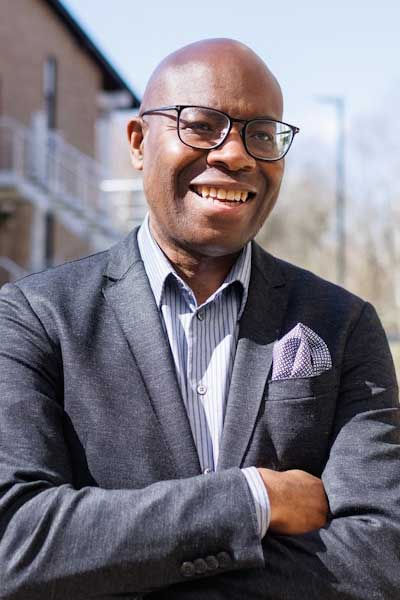
Dr. Paul A. Phillips
Dr Paul A. Phillips Professor of Strategic Management and practitioner with CEO/board-level delivery experience
Founder and CEO of Investment-Grade Strategy Partners.
Author of Sustainable Strategic Management: Leadership with Purpose (with Routledge).
Founder and Host of Sustainable Strategy Brief Live.